Types of Vehicles
Australia's car rental categories range from economy to luxury, and bookings secure a vehicle category ("or similar") rather than a specific model due to fleet variations.
In Australia, rental vehicles are organised into categories — from economy hatchbacks to luxury sedans and 4WD off-roaders. When you book, you're reserving a vehicle category, not a specific make or model. Each vehicle displayed online is presented with the qualifier "or similar", meaning the specifications are a guide only.
No rental supplier can guarantee a particular make, model or colour. The specific vehicle you receive may vary in passenger seating, luggage capacity and engine size from the example shown. Not all vehicles are available from all locations.
Vehicle Categories
Category | Typical Examples | Ideal For | Passengers / Luggage | From About |
|---|---|---|---|---|
Economy | Suzuki Swift, Kia Picanto, MG3 | Solo travellers, city driving, short trips | 4 / 1–2 small bags | From ~$55/day |
Compact | Toyota Corolla, Toyota Corolla Hybrid, VW Polo | Couples, small families, general touring | 5 / 2 large bags | From ~$55/day |
Intermediate | Kia Cerato, Toyota Corolla Sedan, Kia Sportage | Small groups, business travel, shorter SUV trips | 5 / 2–3 large bags | From ~$65/day |
Full Size | Toyota Camry, Toyota Camry Hybrid, Subaru Outback | Families, comfortable long-distance driving | 5 / 3–4 large bags | From ~$95/day |
Compact SUV | Kia Stonic, Toyota C-HR, Mazda CX-3, Toyota Yaris Cross Hybrid, Mazda CX-30 | Couples, city driving, light touring with extra ground clearance | 5 / 2–3 large bags | From ~$75/day |
Intermediate SUV | Kia Sportage, Hyundai Kona, Subaru Crosstrek, Mazda CX-5, Mitsubishi Eclipse Cross, Kia EV6 | Small families, weekend getaways, extra cargo space | 5 / 3–4 large bags | From ~$85/day |
Large SUV / 4WD | Toyota Kluger Hybrid, Toyota Prado, Ford Everest | Outback touring, towing, off-road (with permission) | 5–7 / 3–5 large bags | From ~$120/day |
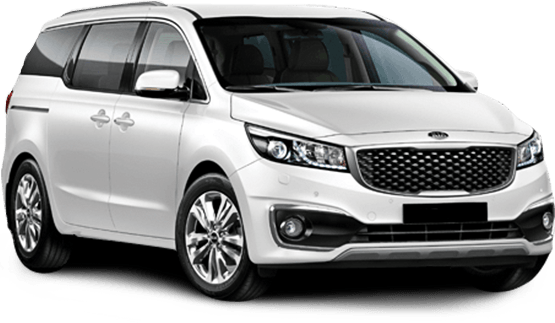
People Mover | Kia Carnival | Large families, group travel | 8 / 2 large + 2 small bags | From ~$140/day |
Mini Bus | Toyota Commuter | Sports teams, tour groups, large families | 12 / 1 large + 2 small bags | From ~$160/day |
Luxury / Premium | Audi Q5, Mercedes-Benz GLE, BMW X3 | Executive travel, special occasions | 4–5 / 2–3 large bags | From ~$130/day |
Passenger and luggage figures are estimates. Actual capacity varies by model, passenger size and luggage type (soft bags vs hard cases).
What DriveNow Customers Book
Based on DriveNow booking data, the most popular choices are:
Vehicle Type | Share of Bookings |
|---|---|
Cars (sedan, hatch) | ~45% |
SUVs | ~35% |
People movers / vans | ~7% |
Wagons, sports, specialty | ~13% |
Within those, compact is the most popular size class (around 29% of all bookings), followed by intermediate (~23%), then economy and standard (each ~11%). Premium and luxury vehicles make up around 6% of bookings.
In short, most customers choose a compact or intermediate car or SUV — the sweet spot between price, space and versatility.
Automatic vs Manual Transmission
The vast majority of rental vehicles in Australia are automatic — typically 90% or more of any supplier's fleet. Manual transmission vehicles exist but are limited to a handful of economy or compact models.
If you specifically need a manual (or specifically need an automatic), check the vehicle listing when booking. International visitors from countries where manual is standard should note that automatic is the default in Australia and you will almost always receive one unless you specifically request otherwise.
4WD, AWD and 2WD
Most rental cars — including many labelled as "SUV" — are 2WD or AWD, not true 4WD. This is an important distinction because rental company road restrictions require a 4WD with low-range transfer case for unsealed roads and outback tracks.
- 2WD — standard for sedans, hatchbacks and most city SUVs. Sealed roads only.
- AWD (all-wheel drive) — found in crossover SUVs like the Toyota RAV4 and Nissan X-Trail. Better grip on wet roads but not approved for off-road driving under most rental agreements.
- 4WD (four-wheel drive) — vehicles like the Toyota Prado and Isuzu MU-X with a low-range transfer case. Required for unsealed roads and outback tracks, and you'll typically need written permission from the supplier before heading off sealed roads.
If your trip involves any unsealed roads, make sure to book a true 4WD category and confirm your planned route with the rental branch at pick-up.
Fuel Types
Most rental cars in Australia run on unleaded petrol. Some larger SUVs and 4WDs run on diesel.
Hybrid vehicles are increasingly common in rental fleets — the Toyota Corolla Hybrid, Camry Hybrid, RAV4 Hybrid and Kluger Hybrid all appear regularly in search results. Full electric vehicles (EVs) such as the Tesla Model Y are beginning to appear with some suppliers but remain limited.
When collecting your vehicle, confirm the fuel type required — filling with the wrong fuel can cause engine damage and is not covered by insurance.
Fuel Consumption by Category
Fuel costs can vary significantly depending on the vehicle category. As a rough guide:
Category | Typical Consumption |
|---|---|
Economy / Compact | 5–7 L per 100 km |
Intermediate / Full Size | 7–9 L per 100 km |
Compact SUV | 6–8 L per 100 km |
Intermediate SUV | 8–10 L per 100 km |
Large SUV / 4WD | 10–14 L per 100 km |
People Mover / Mini Bus | 10–14 L per 100 km |
For long road trips, particularly through remote areas, fuel consumption is worth factoring into your budget — a 4WD on a two-week outback trip will cost significantly more in fuel than a compact on a coastal drive.
Other Things to Consider
Before You Book
- Apps to Help With Your Planning and Travel - Car Hire
- Book Car Hire with Confidence — Why Choose DriveNow
- Booking During School Holidays
- Car Hire Age Restrictions in Australia: Limits & Surcharges
- Car Hire Road Restrictions in Australia
- Car Rental FAQs: Common Questions Answered
- Driver's Licence Requirements for Car Hire in Australia
- How to Choose a Hire Car: Features to Consider
- Long Term Car Leasing in Europe: Car-2-Europe Program
- Luggage
- Mobility Specialty Vehicles
- Or Similar - What Does it Mean?
- Things to Consider Before You Book
- Types of Vehicles
- Understanding Pricing
- Why DriveNow?