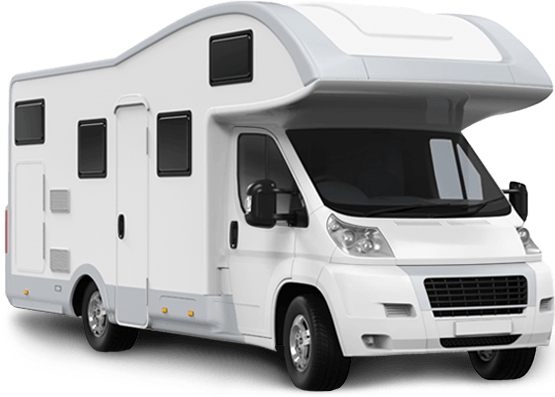
Insurance and Excess Reduction
Campervan rentals all come with several options on your financial liability for damages that occur whilst the vehicle is in your care. Find out what your general choices and options are here.
How Campervan Insurance Works
Every campervan rental in Australia includes a standard insurance policy that covers damage to third-party property and vehicles. However, you — the renter — are liable for damage to the rental vehicle itself, up to an excess amount (also called the liability or bond). This amount varies by supplier and vehicle type, ranging from $500 to $7,500 for standard campervans and up to $8,000 for 4WD campers.
You have several options for managing this liability. Understanding them before you book will help you make an informed choice and avoid surprises at the counter.
Standard Liability (No Additional Cover)
If you do not purchase any excess reduction or all-inclusive package, you accept the supplier's standard excess. This is the maximum amount you will be charged in the event of any damage to the vehicle.
After you select your vehicle on the DriveNow website and proceed with your reservation (in Step 2 — Review Quote and Request Additional Options), you have the option to select your liability level. If you are unsure about the selection, you can call DriveNow on 1300 547 214 or +61 3 9095 7460 and we can explain the different options.
The standard excess is included in the daily vehicle hire rate at no extra cost. However, a security bond equal to the excess amount will be held on your credit card at pickup (see Bond below).
Reduce Excess Options
Most campervan suppliers offer one or more excess reduction tiers that lower your maximum liability for a daily fee. We find that many of our travellers choose to reduce their excess and bond for peace of mind.
How it works: You pay a daily fee (typically $16–$45 per day depending on the supplier and reduction level), and your maximum liability is reduced to a much smaller amount — anywhere from $nil to $2,000.
Some suppliers offer two reduction tiers:
- Reduction Level 1 — a lower daily fee that partially reduces your excess (e.g. from $5,000 down to $1,200–$2,000)
- Reduction Level 2 — a higher daily fee that reduces your excess further, often to $nil
If you did not select excess reduction at the time of booking, you can add it at pickup before you sign the rental agreement. However, excess reduction cannot be added once you are on the road.
All-Inclusive Package
Most campervan suppliers offer an all-inclusive package that bundles excess reduction with additional inclusions such as camping chairs, tables, additional drivers, and other extras. The specific inclusions vary between providers and will be listed on the booking page when you select this option.
The all-inclusive package typically reduces your liability to $nil (or a very small amount) and significantly lowers or eliminates the bond held on your credit card. Many travellers choose this option for complete peace of mind and the convenience of having everything included.
Supplier Excess and Reduction Comparison
The table below shows the standard excess (your maximum liability without any additional cover) and the all-inclusive liability for active campervan hire suppliers available through DriveNow.
Supplier | Standard Excess | Standard Bond | All-Inclusive Excess | All-Inclusive Bond |
|---|---|---|---|---|
Apollo | $7,500 | $7,500 (debited) | $nil | Imprint only |
Awesome Campers | $5,000 | $5,000 (debited) | $nil | $500 (imprint) |
Britz | $7,500 | $7,500 (debited) | $nil | $nil |
Camperman | $500 | — | $500 | — |
Cheapa Campa | $5,000 | $5,000 (debited) | $nil | $nil |
Cruisin | $5,000 | $5,000 (debited) | $nil | Imprint only |
GoCheap | $5,000 | $5,000 (debited) | $nil | Imprint only |
Grip 4WD | $9,500 | $9,500 | — | — |
Hippie Camper | $3,000 | $3,000 (debited) | $nil | Imprint only |
JUCY | $5,000 | $5,000 (debited) | $nil | Imprint only |
Let's Go | $5,000 | $5,000 (debited) | $750 | $750 (debited) |
Maui | $7,500 | $7,500 (debited) | $nil | Imprint only |
Maui Elite | $7,500 | $7,500 (debited) | $nil | Imprint only |
Mighty Lite | $3,500 | $3,500 (debited) | $nil | $nil |
Star RV | $7,500 | $7,500 (debited) | $nil | $nil |
Tasmania Campers | $4,000 | $4,000 (debited) | — | — |
Travellers Autobarn | $3,500 | $$3,500 (debited) | $nil | $nil |
4WD campers attract higher excess amounts. Apollo and Britz charge $8,000 standard excess for 4WD vehicles (reduced to $nil with all-inclusive). Tasmania Campers charges $6,000 for 4WD.
Suppliers with Daily Excess Reduction Tiers
Some suppliers offer daily reduction tiers as an alternative to the all-inclusive package:
Supplier | Reduction Level 1 | Reduced Excess | Reduction Level 2 | Reduced Excess |
|---|---|---|---|---|
Grip 4WD | $50/day | $5,000 | $70/day | $5,000 |
Tasmania Campers | $33/day (4WD: $45/day) | $950 (4WD $1,300) | $45/day (4WD: $55/day) | $nil (4WD $600) |
Travellers Autobarn | $35/day | $nil | $45/day | $nil |
Third-Party Excess Insurance
An alternative to purchasing excess reduction from the rental company is to buy standalone excess insurance from an independent provider before your trip. This is typically much cheaper than the supplier's own products.
How it works: You decline the supplier's excess reduction, accept the standard high excess, and rely on your third-party policy to reimburse any excess charged in the event of damage. You pay the excess to the supplier first, then claim it back from your insurer.
Advantages:
- Significantly cheaper — third-party policies typically cost $5–$20 per day, compared to $16–$45+ for supplier excess reduction
- Often broader coverage — many policies include windscreen, tyres, undercarriage, and roof damage that supplier products may exclude
- Can usually be cancelled before your trip if plans change
Disadvantages:
- Reimbursement-based — you must pay the full excess to the supplier upfront, then submit a claim with supporting documentation. Reimbursement can take several weeks
- You need to keep all paperwork from the supplier's damage assessment (rental agreement, damage report, photos, receipts)
- Not all third-party policies cover campervans and motorhomes — check vehicle type and value limits before purchasing
Credit Card Insurance
Some credit cards include complimentary rental vehicle excess insurance when you use the card to pay for your rental. However, this option has significant limitations for campervan hire:
- Vehicle type exclusions — many credit card insurance policies exclude campervans, motorhomes, and vehicles above certain value or weight thresholds. Always check your card's specific terms
- Must pay on the card — the entire rental must be charged to the card providing the cover
- Reimbursement-based — you pay the excess to the supplier first and then claim it back from your card issuer
- Road restrictions — no cover for off-road driving or breach of rental terms
- Rental period limits — usually capped at 31 or 60 consecutive days, which may be an issue for longer campervan trips
Credit card rental vehicle insurance is being reduced across Australian banks. Check your card's current benefits before relying on it. For more detail on credit card cover, see the car hire insurance page.
Which Option Is Right for You?
- Choose standard (no cover) if you are comfortable accepting the full excess risk and want to minimise your daily costs. Best suited to experienced travellers who understand the financial exposure.
- Choose excess reduction if you want to lower your liability without paying for the full all-inclusive package. A good middle ground for budget-conscious travellers who still want some protection.
- Choose all-inclusive if you want complete peace of mind with the lowest possible excess, a minimal or zero bond, and additional inclusions like camping chairs and extra drivers. Particularly worthwhile for longer trips where the daily cost adds up to significant savings compared to purchasing extras separately.
- Choose third-party insurance if you want the cheapest way to cover the excess and are comfortable with a reimbursement-based claims process. Check that your policy covers campervans.
Real-World Scenarios
Scenario 1: You scrape a post in a caravan park Repair cost: $2,200
- Standard (no cover): The supplier charges your credit card $2,200
- Excess reduction: You pay $0–$2,000 depending on your reduction level
- All-inclusive: You pay $nil (or up to $750 with some suppliers)
- Third-party insurance: You pay $2,200 upfront, then claim it back
Scenario 2: Windscreen cracked by a stone on an outback highway Repair cost: $800
- Standard: You pay $800 — but note that windscreen damage is often excluded from all cover types (see exclusions below)
- All-inclusive: May still be excluded — check your supplier's terms
- Third-party insurance: Many third-party policies do cover windscreen damage
Scenario 3: A serious accident with $15,000 in damage Your liability is capped at the excess amount regardless of actual repair costs.
- Standard: You pay $2,500–$7,500 (your full standard excess)
- All-inclusive: You pay $nil (most suppliers)
- Third-party insurance: You pay $2,500–$7,500 upfront, then claim it back
Bond
If you have not selected the excess reduction or all-inclusive package, you will be asked to leave a security deposit (bond) equal to your excess amount. The bond can range from $500 to $7,500 depending on the supplier and vehicle type.
The bond is refundable provided the vehicle is returned on time, to the correct location, undamaged, in a clean condition and with full fuel tanks (fuel being petrol or diesel) and gas bottle.
This bond must be paid with a valid credit card (some providers will allow a debit card) and must be in the same name as the booking holder. A card surcharge may apply.
Bond types:
- Debited — the full amount is charged to your card and refunded after the vehicle is returned in good condition
- Imprint/authority — only an authorisation hold is placed on your card. No actual charge is made unless damage occurs
- Pre-authorised — a hold is placed on your available credit limit but no charge appears on your statement
When Do I Get My Bond Back?
The bond is refunded when you return the vehicle provided it is returned on time, to the correct location, undamaged, in a clean condition and with full fuel tanks and gas bottle. Please allow 5 to 10 business days for the bank to process the refund. Some providers will only pre-authorise the amount, so you won't see an actual refund — instead the hold will simply disappear from your account.
If you have an overseas card, note that the refund might be a different amount than on the day of pickup due to the exchange rate.
Will the Bond Affect My Credit Card Balance?
Yes. The hold or charge will affect your available credit for the whole duration of your rental and even a few days after your return due to bank processing times. If you are hiring a vehicle with a $5,000–$7,500 bond, ensure your credit card has sufficient available credit before pickup.
When You Are Fully Responsible
Regardless of which excess reduction option you choose, you will be fully responsible for the cost of damage in certain circumstances. These include:
- Damage caused where the terms of the rental agreement have not been met
- Damage caused by negligence or wilful conduct
- Damage caused by water submersion (partial or total) or salt water
- Damage caused while using the vehicle in breach of traffic laws
- Damage and recovery costs for a bogged vehicle
- Damage or loss to personal belongings
- Damage or loss caused by a pet
- Damage caused by use of incorrect or contaminated fuel
- Single vehicle rollover
- Damage to the overhead (roof) or underbody of the vehicle
- Damage to awnings
- Damage to the windscreen or tyres