Before You Book
Choose the right vehicle, check that every driver is eligible, and plan your dates, route and budget before you book.
Settle four things before you compare quotes: the vehicle your group needs, whether every driver is eligible, when and where you're travelling, and what the total cost will cover. Here's what to check for each, with links to the full guides.
Choose a vehicle that fits your group
- Pick the type of vehicle. A campervan is a compact, van-style vehicle. Some have a toilet, shower and living-area air-conditioning, and others don't. Motorhomes are larger and have a toilet and shower, with walk-through access from the driver's cabin. 4WD campers can go off-road where the rental company allows it. Our guide to types of campervans explains the differences.
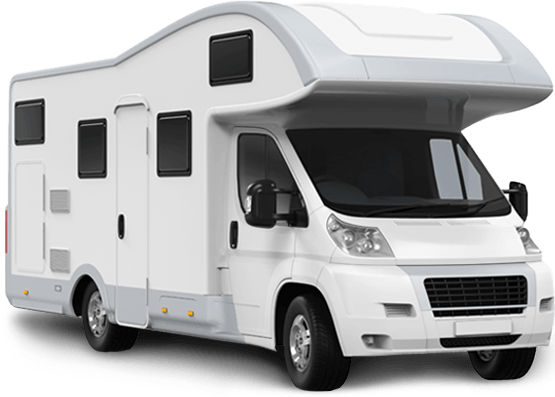
- Count seat belts as well as beds. A 2-berth campervan has two seat belts, so it can carry only two travellers. In 4- and 6-berth motorhomes, one double bed is in the loft above the driver's cabin, reached by a ladder, which may not suit every guest. The largest rental motorhomes carry six people, so bigger groups need more than one vehicle.
- Check child-seat positions. Smaller campervans generally can't fit child seats, and 4- and 6-berth vehicles usually take no more than two. See child seat hire before you choose.
- Think about heating and cooling. Living-area air-conditioning is mainly found in larger vans with a toilet and shower, and it usually needs a powered site. Without it, you have air-conditioning in the driver's cabin only while the engine runs. Features to consider compares seats, beds, fridges and vehicle age by vehicle size.
The rental companies we work with don't have vehicles specially adapted for travellers with restricted mobility. Our mobility guide explains the limits and what to look for in a campsite.
Check that every driver is eligible
- Age. Most rental companies require drivers to be 21 or older. Several accept drivers from 18, some for selected vehicles only, and a few set a maximum age. Our age restrictions guide compares the rental companies, and the booking page shows the minimum age for your vehicle in Step 3.
- Licence. Rental companies generally require a full licence. A few accept an Australian green P plate (P2) licence under their own conditions, and none we work with accepts a learner's licence. You don't need a heavy vehicle licence, even for a large motorhome. See driver's licences for each company's conditions.
- Overseas licences. If a licence isn't in English, the driver also needs an accredited English translation or an International Driving Permit. Choose the right licence country of issue when you search, as some rental companies price international and domestic licences differently.
Additional drivers must meet the same requirements and sign the rental agreement at pick-up.
Plan your dates and route
- Season. The best months differ by region. The tropical north is usually best in the dry season, while the wet season can bring flooding and road closures. Our guide to the best time to travel covers each state and territory.
- When to book. Christmas, Easter, school holidays, long weekends and major events are the busiest times. Booking ahead gives you more choice of layouts, but no booking window guarantees the lowest price. Read booking well in advance or close to pick-up and booking during school holidays for the trade-offs.
- Availability. An On Request option still needs the rental company's approval, so a submitted request isn't a confirmed booking. Wait for confirmation before you commit to non-refundable plans.
- Where you can drive. 2WD campervans and motorhomes must stay on sealed roads, apart from short access roads allowed by some rental companies. 4WD campers can use recognised tracks, often with written permission, and some routes are off-limits even for 4WD. Most rental companies don't allow driving on highways or open country roads at night. Driving where your rental agreement doesn't allow can void your cover. Road restrictions lists commonly restricted routes and seasonal limits.
Work out the total cost
- Hire days. Campervan hire is charged by calendar day, and your pick-up day counts as day 1, whatever time you collect the vehicle.
- Minimum hire periods. Rental companies may set a minimum hire at peak times and on long one-way routes. If your dates are shorter, you'll see the price for the minimum period.
- What's included. A quote usually includes the rental, standard liability, bedding and kitchen equipment, an on-road assistance helpline and GST. Many include unlimited kilometres, but some set a daily allowance. DriveNow doesn't charge booking fees.
- What's extra. Campsites, fuel, tolls, food, excess reduction and optional extras are generally not included. Some fees, such as a one-way fee, are paid to the rental company at pick-up.
Understanding pricing explains how to check each of these in your quote. When you compare options, look at the total for your trip, including the extras and excess reduction you need, rather than the headline daily rate.
Pack for life in a campervan
Bedding, towels, kitchen equipment and general equipment, such as a bucket, hoses and a power lead, are usually supplied. Check the inclusions for your vehicle. Bring your own clothing, toiletries and personal items. You can ask to add equipment such as chairs and a table. Storage space is tight, so pack in soft bags rather than suitcases. Our packing list covers documents, clothing for the season and supplies from home.
Travelling with children or pets, or taking a ferry?
These guides are in During Your Trip, but they affect which vehicle and rental company you choose:
- Travelling with children: every passenger needs a seat with a seat belt while the van is moving.
- Travelling with pets: only some rental companies accept pets, and their conditions and fees vary.
- Ferries: most rental companies need written permission before you take a campervan on a ferry.
- Overnight parking: popular holiday parks book out in busy periods, so plan where you'll stay.
All Before You Book guides
- Start here: Things to consider before you book, a planning checklist for first-time hirers
- Vehicle: Types of campervans, features to consider, groups travelling together, long-term hire and mobility-restricted travellers
- Drivers: Age restrictions and driver's licences
- Dates and routes: Best time to travel, booking early or late, school holidays and road restrictions
- Costs: Understanding pricing, inclusions, equipment and booking with confidence
- Packing: What to pack, luggage and apps for planning and travel
When you have a shortlist, continue to Booking Your Campervan.
Part of the Campervan Hire Handbook.